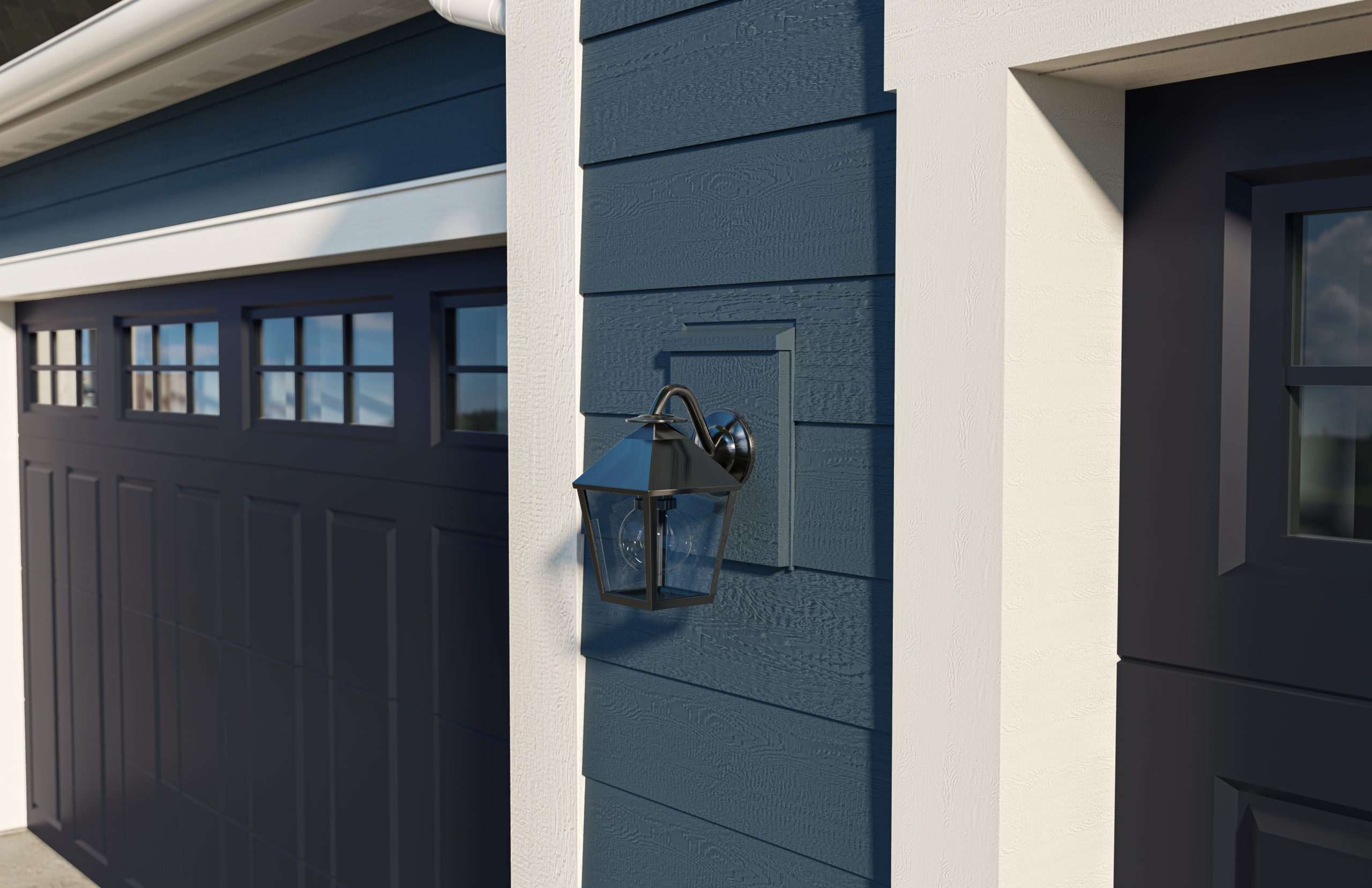
Whether you’re in the market for new siding or are buying a new house, chances are that you’ll come across a term or two that you’re unfamiliar with. In order to make the most informed decision, you’ll need to understand common siding terms. We’ve created a glossary of commonly used terms.
Common Siding Terms
Air Barrier
An air barrier is a system or material designed to control air movement through exterior walls, improving energy efficiency and reducing drafts.
Backerboard
Backerboard is a rigid or semi-rigid material installed beneath siding to provide added support, insulation, and a stable surface for fastening siding panels.
Back-Ventilated Rainscreen
A back-ventilated rainscreen is a siding installation method that creates an intentional air gap between the siding and wall assembly, allowing moisture to drain and dry more effectively.
Batten
A batten is a narrow strip of wood or engineered material used to cover seams between vertical siding boards. In board-and-batten siding, battens seal gaps while creating a classic vertical design.
Blind Nailing
Blind nailing is a fastening method where nails are hidden beneath the overlap of the next siding course, resulting in a cleaner finished appearance.
Board and Batten
Board and batten siding is a vertical siding style that uses wide boards installed side by side, with narrow battens covering the seams between them.
Building Wrap (House Wrap)
Building wrap is a weather-resistant barrier installed over wall sheathing to protect the structure from moisture intrusion while allowing vapor to escape.
Butt Joint
A butt joint occurs when two siding panels meet end-to-end without overlapping. These joints typically require flashing or sealant to prevent water penetration.
Buttlock
The buttlock is the bottom edge of a vinyl siding panel that locks into the panel below it. This interlocking mechanism helps prevent shifting caused by wind or temperature changes.
Caulking
Caulking is a flexible sealant applied at joints, seams, and penetrations to prevent air and water leakage in siding systems.
Channel
A channel is a trim component—often J-shaped—used to secure siding panels around windows, doors, and edges while allowing for expansion and contraction.
Corner Board
A corner board is a trim piece installed at the exterior corners of a building to create a clean, finished transition between intersecting walls.
Course
A course refers to a single horizontal row of siding panels installed across an exterior wall. Multiple courses are stacked to fully clad and protect the structure.
Drip Cap
A drip cap is a small piece of flashing installed above windows, doors, or trim to direct water away from openings and reduce moisture intrusion.
End Joint
An end joint is the seam where two siding panels meet along their length. These joints often require flashing or sealant for long-term protection.
Expansion Gap
An expansion gap is a small space intentionally left between siding panels or trim pieces to allow materials to expand and contract with temperature changes.
Face Nail
A face nail is installed directly through the visible surface of a siding panel. Because the nail head remains exposed, face nailing is typically used only when concealed fastening is not possible.
Fascia
The fascia is the vertical board attached to the ends of roof rafters. It supports the gutter system and provides a clean, finished appearance along the roofline.
Fastener
A fastener refers to nails or screws used to secure siding, trim, and accessories to the wall assembly.
Flashing
Flashing is a thin metal material installed around windows, doors, rooflines, and wall transitions to redirect water away from vulnerable areas and prevent moisture damage.
Freeze–Thaw Resistance
Freeze–thaw resistance describes a siding material’s ability to withstand repeated freezing and thawing cycles without cracking, warping, or deteriorating.
Insulated Siding
Insulated siding includes a layer of rigid foam bonded to the back of the siding panel to improve energy efficiency and reduce thermal bridging.
J-Channel
J-channel is a finishing trim used around windows, doors, corners, and edges. It receives the ends of siding panels while allowing for expansion.
Kick-Out Flashing
Kick-out flashing is installed where a roof edge meets a vertical wall. It diverts concentrated water runoff away from siding to prevent leaks and damage.
Lap
Lap siding, short for overlap siding, consists of horizontal boards or panels that overlap one another. The overlap conceals fasteners and helps shed water efficiently.
Moisture Barrier
A moisture barrier is a protective layer designed to limit water intrusion into the wall assembly while still allowing proper drying.
Nailing Hem
The nailing hem is the reinforced strip along the top edge of siding panels where fasteners are installed. It allows panels to hang securely while accommodating movement.
Panel Siding
Panel siding consists of large flat sheets installed vertically or horizontally, commonly used for modern or contemporary exterior designs.
Penetration
A penetration is any opening through the siding system—such as vents, pipes, or fixtures—that must be properly sealed to prevent leaks.
R-Value
R-value measures a material’s resistance to heat flow. Higher R-values indicate better insulating performance.
Reveal
The reveal is the visible portion of a siding panel once installed. Reveal size affects the overall appearance, proportions, and shadow lines of the exterior.
Sealant
Sealant is a flexible compound used to close gaps and joints in siding systems to prevent moisture and air infiltration.
Shadow Line
A shadow line refers to the visual depth created by overlapping siding courses or trim details, adding dimension and character to the exterior.
Sheathing
Sheathing is the structural layer beneath siding, commonly made from plywood or OSB. It strengthens exterior walls and serves as the base for siding attachment.
Soffit
The soffit is the underside of the roof overhang where the roof meets the exterior wall. It protects rafters from moisture and often includes ventilation.
Starter Strip
A starter strip is installed at the base of the wall to anchor the first course of siding. It ensures proper alignment and provides a secure locking point.
Strapping (Furring Strips)
Strapping consists of wood or metal strips attached to exterior walls to create a level mounting surface for siding. It can also improve airflow behind the siding.
Termite Resistance
Termite resistance describes a siding material’s ability to deter or withstand damage from insects and pests.
Thermal Bridging
Thermal bridging occurs when heat transfers through solid materials, such as studs or fasteners, reducing overall insulation performance.
Trim
Trim includes decorative and functional components installed around windows, doors, corners, and transitions to create a finished appearance.
Underlayment
Underlayment is a protective layer installed beneath siding to enhance moisture resistance and, in some systems, improve thermal performance.
UV Resistance
UV resistance refers to a siding material’s ability to withstand prolonged sun exposure without fading, cracking, or degrading.
Ventilated Soffit
A ventilated soffit includes perforations or vents that allow fresh air to enter attic spaces, helping regulate temperature and control moisture buildup.
Water-Resistive Barrier (WRB)
A water-resistive barrier is a layer installed behind siding to prevent liquid water from entering the wall assembly while allowing vapor to escape.
Weep Holes
Weep holes are small openings along the bottom edge of siding panels that allow trapped moisture or condensation to drain out.
Wind Load Rating
Wind load rating measures how well a siding system can withstand high winds without loosening or failing.
Z-Flashing
Z-flashing is a metal flashing shaped like the letter “Z” and installed above horizontal trim or transitions to direct water away from the wall surface.
Work With Colorado’s Trusted Siding Expert
Scottish Home Improvements is always available to answer any questions you have about siding terminology. For more information regarding siding terms, please contact us!